

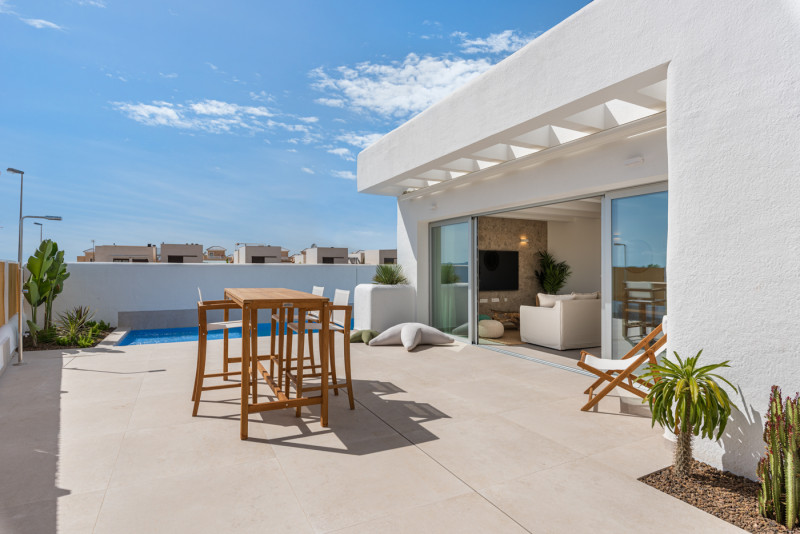
How to choose the right developer, protect your investment, and avoid costly surprises
Buying a new-build property in Spain can be an excellent investment. Modern design, better energy efficiency, and the potential for capital growth during construction make off-plan purchases highly attractive.
But as with any major purchase abroad, there are important details that every buyer should understand before signing a reservation contract.
Here’s what to look out for when buying a new home in Spain - and how to make sure your investment is safe, compliant, and exactly what you expect.
1. Research the Developer’s Track Record
Your first step should always be to check the developer’s reputation and history. Spain’s construction sector is well-regulated, but standards vary.
Look at:
Completed projects: Visit (or ask for photos of) past developments to see build quality and finishing.
Delivery record: Ask whether previous projects were completed on schedule.
Financial stability: Established developers will often have bank partnerships and visible company accounts.
Online reviews and reputation: Local forums and real estate agents can provide useful insights into reliability and after-sales service.
A trusted developer is one who communicates clearly, provides written guarantees, and has a visible office and staff presence, not just a glossy website. Our policy at Portfolio Deluxe is to only work with developers that we can honestly recommend.
2. Always Insist on a Bank Guarantee
When buying off-plan in Spain, it is standard, and legally required, that your payments are protected by a bank guarantee (aval bancario) or insurance policy.
This guarantee ensures that if the developer fails to complete the project or the building licence is not granted, you can recover your deposits in full.
Make sure you:
Receive a copy of the bank guarantee certificate before transferring any funds.
Verify that each stage payment is covered (not just the initial deposit).
Check that the guarantee is issued by a recognised Spanish bank or insurance company.
Never transfer money to a developer without this safeguard in place. A good lawyer will confirm and document it for you.
3. Confirm That It Is a Developer Project, Not “Autopromoción”
In Spain, some projects are marketed as “new builds” but are technically autopromoción (self-builds), meaning you buy the land or a share of the project and take on the role of developer yourself.
There is nothing inherently wrong with this model, but it carries very different responsibilities and risks. You would be responsible for construction progress, payments to contractors, and often the building licence itself.
Unless you specifically want that arrangement, and have the time, legal knowledge, and financial control to manage it, stick to developer-led projects where the builder and promoter handle the entire process under licence and insurance.
At Portfolio Deluxe we do not list self-build projects so as to not confuse our clients, we do have access to a portfolio of these type of projects however so if you are wanting to look into a self-build you can contact us directly.
4. Allow Flexibility on Completion Dates
Spanish new builds often take longer than initially planned. Weather, supply-chain issues, and municipal inspections can all affect timelines.
Developers typically include a clause in the contract allowing a grace period of up to 90 days (and sometimes longer) beyond the stated delivery date.
It’s wise to:
Avoid booking flights or removals for the exact day the developer predicts.
Expect that the process from licence to key handover may shift by several months.
Keep in regular contact with your lawyer or agent for progress updates.
Patience at this stage prevents frustration later.
5. Snagging: Check Everything Before Completion
Before signing the final title deed (escritura) and paying the balance, arrange a snagging inspection - a detailed review of the property to check for defects or unfinished items.
The person doing the snagging inspection will examine:
Paintwork, flooring, tiles, and finishes.
Doors, windows, and locks.
Plumbing, electrics, and air conditioning.
Appliances and lighting.
The developer is responsible for correcting legitimate issues before or shortly after completion. Having this inspection done protects you and ensures your new home is delivered to the promised standard. At Portfolio Deluxe we always do snagging inspections on our buyers' behalf, unless they want to do it themselves. During the inspection we put ourselves in our buyer's shoes and imagine the property is for ourselves, noting down every change so that the final product is delivered as close to perfection as possible.
6. Understand What’s Included in the Price
Not every new build includes the same finishes or extras. Always ask for a detailed specification sheet (memoria de calidades) and confirm exactly what you are buying.
Check whether the following are included or optional:
Kitchen appliances and lighting.
Air conditioning units or underfloor heating.
Garage space or storage room.
Garden landscaping or pool completion (for villas).
Clarify early if you want to upgrade materials or add features, as it’s usually cheaper and easier before the construction stage is complete.
7. Make Design and Material Choices Early
If the property is still under construction, most developers allow some flexibility in materials and layout, within limits.
Buyers can sometimes choose flooring, kitchen finishes, or minor layout adjustments. But changes must be requested early, often before or immediately after reservation.
Developers differ in how much freedom they allow, so always ask about:
Customisation deadlines.
Associated costs.
Approval process for layout modifications.
The earlier you decide, the smoother the build will go.
8. Ask About Community Fees and Ongoing Costs
When buying in a residential development, there will be community fees (gastos de comunidad) for shared maintenance: pools, lifts, security, landscaping, etc.
Before buying, request an estimated annual fee. While this may change once owners move in, a developer or agent should be able to give you a reasonable ballpark figure.
Also confirm:
Whether the developer or builder manages the community initially.
What services are covered by the fee.
If there are any additional costs (for example, rubbish collection or IBI property tax).
Knowing these expenses upfront helps you plan your rental yield and annual budget accurately.
9. Legal and Practical Safeguards
In addition to the points above, it’s essential to have professional legal support to:
Check building licences and planning permissions.
Review all contracts before signing.
Confirm the existence of the bank guarantee.
Ensure all taxes, utility connections, and property registrations are handled correctly.
A good lawyer will also ensure the developer’s 10-year structural insurance (seguro decenal) is in place, a legal requirement covering major structural defects for a decade after completion.
10. Think Long-Term: Capital Growth and Resale
One of the biggest advantages of new builds in Spain is capital appreciation. Buying off-plan often allows you to enter the market below the final finished price.
As developments complete and surrounding infrastructure improves, prices typically rise especially in areas with limited new supply.
When evaluating a project, consider not just the property itself but also:
The developer’s upcoming phases or nearby projects.
Access to transport, amenities, and schools.
The overall long-term demand in the area.
A well-chosen new-build can provide both immediate lifestyle value and future profit potential.
11. Final Thought
Buying a new-build home in Spain offers a rewarding balance of modern living and financial opportunity, but success depends on preparation.
Choose a reputable developer, protect your payments, understand the process, and use professional advice at every stage. With realistic expectations and the right team, you’ll secure a property that delivers comfort, security, and value for years to come.


