

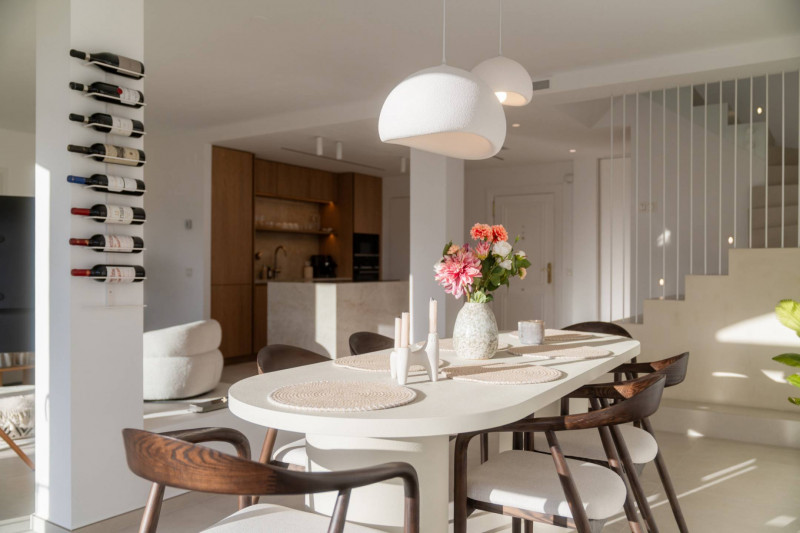
How to know when paying more makes sense, and when it’s simply marketing
New-build properties in Spain are often presented as the safest and most straightforward option.
Modern design, clean finishes, energy efficiency, and the appeal of being the first owner.
For many buyers, especially those purchasing from abroad, new-build feels like the obvious choice.
But new-build also comes with a premium, and it isn’t always justified.
The key is understanding what you are actually paying extra for, and whether it matches your plans.
Here’s a clearer way to look at the new-build premium in Spain, without assumptions or sales pressure.
1. Understand what the premium includes
New-build prices are usually higher than comparable resale homes nearby.
That difference often reflects more than just the property itself.
You are typically paying for:
-modern building standards
-warranties and legal structure
-new infrastructure and shared facilities
-developer margins and marketing costs
Some of these add real value. Others are simply part of how new-build is packaged and sold.
The premium is not automatically wrong, but it should be understood clearly.
2. New-build makes sense when simplicity matters most
For buyers who want a low-maintenance property from day one, new-build can be worth it.
It often suits those who:
-live abroad and cannot manage renovations
-want predictable running costs
-prefer modern layouts and amenities
-plan to use the property immediately
In these cases, paying more is often a trade-off for convenience and reduced uncertainty.
3. The premium is harder to justify when location is the main driver
In many areas, the best locations are not where new developments are being built.
Prime town centres, established coastal streets, and mature neighbourhoods are usually resale markets.
If lifestyle and walkability are priorities, resale often offers better positioning, even if the property is older.
New-build can be excellent, but it is not always in the most valuable place.
4. Do not confuse “new” with “better built”
Buyers often assume new-build means higher quality.
Sometimes it does.
Sometimes it simply means newer materials and a modern look.
Build quality varies significantly between developers, and finishes can be more cosmetic than structural.
What matters is:
-reputation of the builder
-specifications, not show-home styling
-independent snagging and legal checks
New-build is not risk-free. It is simply different.
5. Consider resale value, not just first impressions
The premium you pay today affects your position later.
In some markets, new-build prices hold well because supply is limited and demand stays strong.
In others, buyers discover that resale homes nearby offer more space or better location for less, which can cap future growth.
The question is not only “is it worth it now?” but also “will it still make sense in five or ten years?”
6. The right choice depends on how you will use the property
The decision is rarely about new-build versus resale in general.
It is about fit.
New-build often works best for:
-lock-up-and-leave use
-minimal upkeep
-modern living and amenities
Resale often works best for:
-location and character
-more space for the price
-renovation potential and flexibility
Neither is automatically better. The value depends on your priorities.
Final thought
The new-build premium in Spain can be worth paying.
But only when it buys you something real: ease, efficiency, long-term suitability, or a location that will hold its value.
When the premium is driven mostly by marketing, urgency, or surface-level appeal, buyers often overpay without gaining much in return.
A good purchase is not about choosing what is newest.
It is about choosing what makes sense for how you will actually live, use, and value the property over time.
If you want help assessing whether a new-build price is justified in your chosen area, the right guidance can make the decision much clearer, and far more financially sound.


