

A detailed guide for 2026 buyers choosing between Spain’s two most popular coasts
New build property is booming in Spain, and both the Costa del Sol and Costa Blanca continue to attract thousands of international buyers each year. But while these two regions share sunshine, beaches and Mediterranean charm, their new build markets are far from identical.
Understanding the differences can help buyers choose the coast that best fits their lifestyle, investment goals and long-term plans.
Here’s a clear, expert breakdown of how the two regions compare.
1. The Style of New Build Developments Is Very Different
Costa del Sol:
Developments here tend to be more design-driven, with premium materials, boutique layouts and strong architectural identity. You’ll see:
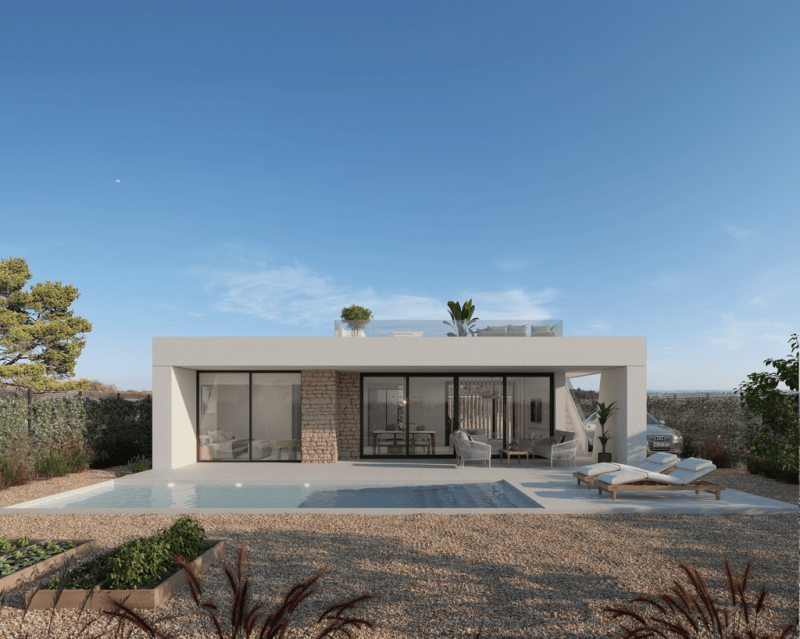
Sleek modern buildings with clean lines
Boutique communities with fewer units
High-end wellness facilities
Luxury finishes as standard
Strong focus on terraces, views and indoor–outdoor living
The aesthetic leans more Scandinavian, minimalist and high-spec.
Costa Blanca:
Here, new builds often focus on space, practicality and value. You’ll find:
Larger complexes with more units
Simpler, functional architecture
Family-friendly layouts
Bigger gardens or terraces for the price
Smart design but often less “boutique” than Costa del Sol developments
The overall feel is modern Mediterranean rather than ultra-contemporary.
2. Price per Square Metre: A Major Contrast
This is one of the biggest differences.
Costa del Sol:
One of Spain’s most premium markets. New build property averages higher due to:
Land scarcity
Strong international demand
Luxury positioning
High construction costs
Prices are particularly high in:
Marbella
Benahavís
Estepona’s “New Golden Mile”
Costa Blanca:
Still excellent value for money, especially inland or just outside prime areas.
Even frontline or near-frontline developments can be surprisingly affordable compared to Málaga province.
This makes Costa Blanca extremely attractive for:
Buyers seeking a holiday home
Investors looking for good yields
People who want a villa at a more accessible price point
3. Facilities and Amenities: Different Buyer Expectations
Costa del Sol:
Buyers expect premium amenities, such as:
Spa areas
Heated indoor pools
Co-working rooms
Concierge service
High-spec gyms
EV charging in every building
Developers know this and build accordingly.
Costa Blanca:
Facilities are improving fast, but typically include:
Large outdoor pools
Social areas
Parks and green zones
Sports courts
Basic gym facilities
A few luxury developments match Costa del Sol standards, but they are the exception rather than the rule.
4. Build Density and Land Availability
Costa del Sol:
There is very limited land, especially between Fuengirola and Estepona.
This results in:
Low-density boutique projects
Higher prices
Greater focus on views
More competition among buyers
Developers often build upward or creatively to maximise land use.
Costa Blanca:
There is more land to build on, meaning:
Larger developments
More villas available
More competitive pricing
Greater choice of plot sizes
This also means buyers can be choosier with orientation, layout and outdoor space.
5. The Buyer Profile Shapes the Market
Costa del Sol:
Dominated by:
Scandinavians
Dutch
British
Middle Eastern luxury buyers
This influences design and amenities, pushing everything more upmarket.
Costa Blanca:
A broader mix including:
Scandinavians
British
Belgians
French
Central and Eastern Europeans
Developers here build for comfort, value and flexibility — not just for high-end tastes.
6. Climate: Small Differences, Big Impact on Architecture
Costa del Sol:
Warmer winters and slightly lower humidity mean:
Greater focus on outdoor living
More glass façades
Bigger terraces
Costa Blanca:
Slightly hotter summers and more coastal breeze mean:
Shading and pergolas are common
Ventilation is a key design factor
Layouts prioritise airflow and shade
Developments adapt subtly to these regional microclimates.
7. Rental Demand and Yield Potential
Costa del Sol:
Extremely strong rental demand, but much stricter regulations for short-term rentals.
This pushes many buyers toward long-term rentals or lifestyle-focused purchases.
Yields remain strong in prime areas.
Costa Blanca:
Tourist licence restrictions exist but are generally less aggressive than on the Costa del Sol.
Rental yields for new builds can be very attractive, especially around:
Torrevieja
Villamartín
Finestrat
Albir / Altea
The lower entry price helps boost ROI.
8. Future Appreciation Potential
Costa del Sol:
Historically strong capital appreciation due to:
International prestige
Limited supply
Ongoing luxury demand
Airport access
Prime developments can rise significantly in value between reservation and completion.
Costa Blanca:
Appreciation depends more on:
Proximity to the coast
Developer reputation
New infrastructure
Growth of international communities
Well-chosen projects still appreciate very strongly, but the market is more diverse.
The Wrap
Both coasts offer outstanding new-build opportunities, but they appeal to slightly different buyer profiles and budgets.
Costa del Sol suits those seeking boutique, design-led living with strong prestige and long-term appreciation.
Costa Blanca appeals to those wanting excellent value, larger spaces and strong rental potential without compromising on lifestyle.
Understanding the differences helps buyers choose the property — and the coast — that best matches their goals.


