

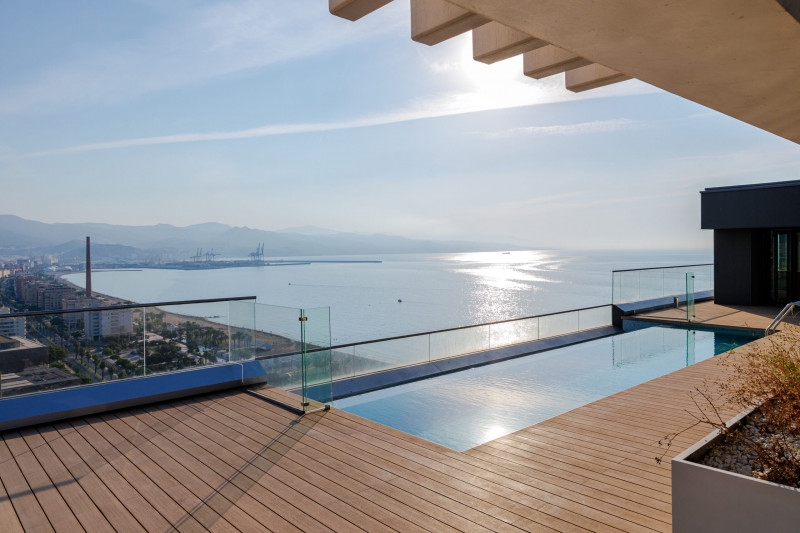
Life on the Costa Blanca and Costa del Sol beyond summer.
Lunch on the terrace in November, quieter beaches and cool evenings at home. Autumn and winter bring a different rhythm to the Costa Blanca and Costa del Sol, and reveal a few things about a property that a summer viewing can easily miss.
By November, the table you choose at a restaurant can tell you something about the season. The shaded corner that was so welcome in August has lost its appeal. A seat in the sunshine, preferably sheltered from the breeze, is now the one to take.
Along the Costa Blanca and Costa del Sol, life outdoors continues well beyond summer. There are still opportunities for coffee by the sea, afternoons on the golf course and lunches that stretch a little longer than planned. But mornings are cooler, the days are shorter and, once the sun goes down, you will usually be glad you brought a jacket.
For anyone considering a home in Spain, these months deserve attention. A place bought for summer holidays may eventually become somewhere to spend January and February, or several months at a time.
Autumn and winter help answer a question that photographs rarely can: how would it feel to live here?
How Warm Is the Spanish Coast in Autumn and Winter?
Spain has very different climates, so the phrase “Spanish winter” is not especially useful on its own. Even along the Mediterranean coast, conditions vary with location, altitude and exposure.
Alicante and Málaga provide a useful starting point. AEMET’s published climate averages for 1981–2010 show average daily highs of approximately 20°C in November in both locations, falling to around 17°C in January. Average overnight lows fall from roughly 10–11°C in November to 6–7°C in January. These are historical averages for individual weather stations, rather than a forecast or a description of every coastal town.
In practice, it pays to dress in layers. A sunny afternoon can be warm enough to sit outside comfortably, while breakfast in the shade may call for a jumper. The change after sunset can be quite noticeable.
The distinction between daytime and evening temperatures matters when planning a longer stay. So does the difference between being in direct sunshine and sitting on an exposed terrace with a breeze coming off the sea.
There is plenty to enjoy about the climate. It simply helps to arrive with expectations that extend beyond the summer photographs.
Autumn: More Time to Enjoy the Outdoors
For those who find midsummer too hot, autumn gives the coast a different appeal.
Walking around a town, taking a longer route home from the beach or spending an afternoon exploring inland becomes easier to fit into the day. There is less need to organise everything around escaping the midday heat.
It can also be a rewarding time to get to know an area. On a summer holiday, the beach and swimming pool may occupy most of your attention. During an autumn stay, you are more likely to discover the local market, find a favourite café or notice which streets you enjoy walking through.
September and November should not be treated as the same season, however. A late-summer visit gives only a partial impression of how a location will feel towards the end of the year.
For buyers planning regular autumn and winter stays, visiting during those months is time well spent.
Winter: Sunny Lunches and Cooler Evenings
Winter changes how you use a home.
The terrace may become somewhere for a late breakfast or lunch rather than an evening meal. Walks move towards the warmer part of the day. Indoors, a comfortable sitting room and effective heating become much more relevant than they were during a July viewing.
There is also a quieter side to the season that will appeal to some people more than others. Anyone who enjoys a busy resort atmosphere should spend time in their chosen neighbourhood during winter before committing to longer stays.
Others will find that the quieter months suit them very well. A walk along the seafront, a familiar restaurant and a sunny place to read can be enough to make a winter afternoon feel well spent.
The important thing is to consider what you would actually do during an ordinary week. A home needs to work on the days when you have no visitors, no restaurant booked and no particular plans.
Costa Blanca or Costa del Sol?
Both coastlines deserve consideration for autumn and winter living. Choosing between them requires a closer look than comparing their average temperatures.
AEMET’s historical figures illustrate one difference: its Alicante station records substantially lower average rainfall in November and December than Málaga Airport. That comparison is useful background, although it cannot describe conditions across either coastline or predict the weather during a particular stay.
For a buyer, the more useful comparison is often between individual neighbourhoods.
An apartment in an established coastal town, with shops and restaurants nearby, will give you a different daily routine from a villa in a golf community. An elevated property may have a wonderful outlook, but its exposure and access deserve a closer look.
On the Costa Blanca, that might mean comparing the convenience of central Torrevieja with the surroundings of Las Colinas. On the Costa del Sol, it could mean deciding between walking into La Cala de Mijas and having more space in a residential area further inland.
Think about where you would buy groceries, meet friends, walk the dog or go for a coffee. Those small journeys will shape your experience of winter living as much as the regional weather.
Why Winter Sun Matters When Choosing a Property
Orientation is easy to overlook when the view is doing most of the talking.
During autumn and winter, however, the position of the sun can have a considerable effect on how much you enjoy a property. A terrace that receives sunshine around lunchtime may get far more use than a larger outdoor space that remains shaded.
A south-facing aspect is a useful starting point when looking for winter sun, but the compass direction alone does not tell the whole story. Neighbouring buildings, deep balconies, covered terraces and the shape of the surrounding land can all affect when direct sunlight reaches a home.
Look Beyond the Floor Plan
During a viewing, ask when the main terrace receives direct sun in December and January. Check whether that sunlight also reaches the living room, and whether the principal seating area is sheltered.
If possible, visit at more than one time of day. A bright room at eleven in the morning may feel quite different by mid-afternoon.
For an off-plan property, ask the developer to explain the seasonal sunlight and shading. The position of the apartment within the building matters, as do any planned buildings nearby.
Consider Summer Comfort Too
A home intended for use throughout the year needs to handle both seasons. Winter sunshine is welcome, but shading and ventilation still deserve attention for the hotter months.
Adjustable blinds, suitable glazing and a well-designed covered area can give you more control over how the space feels. The aim is to understand how the property works across the year before deciding whether it suits the way you plan to use it.
Will the Home Be Comfortable Indoors?
A mild afternoon outside does not tell you how comfortable a home will feel at ten o’clock that evening.
For winter use, look closely at the heating, insulation, windows and ventilation. These are practical details, but they make a considerable difference during a longer stay.
In a new-build property, establish exactly what is included in the specification. Ask whether the air-conditioning system provides heating, which rooms it serves and whether underfloor heating extends throughout the home or only to the bathrooms.
An energy certificate is useful background, but it is also worth understanding the equipment you will use every day. Where are the controls? Can rooms be heated separately? What maintenance does the system require?
In an existing property, pay attention to window seals, signs of condensation and how the home has been ventilated and maintained.
A winter viewing gives these questions some context. You can stand in the living room, take off your coat and consider whether you would be comfortable spending the evening there.
Making the Most of Your Terrace in the Cooler Months
Preparing a terrace for autumn does not have to mean packing everything away.
Start with the place where you naturally want to sit. As the season changes, that may be closer to the building, further from an exposed balustrade or in a corner that catches the afternoon sun.
You may find that a small table and two comfortable chairs get more use than a large dining arrangement. A blanket kept indoors, cushions that are easy to bring in and lighting beside the seating area can make the terrace more inviting without requiring a complete redesign.
Practical maintenance matters too. Keep drainage outlets clear, check furniture fixings and retract awnings when strong winds are expected. Store loose accessories before leaving the property unattended, and use covers suited to the furniture and its exposure.
If you are considering permanent screening or glazing, check the relevant community rules and permissions before commissioning the work.
A terrace worth using in winter is often the one with a sunny, sheltered place to sit. Size comes second.
What Happens When It Rains?
Rain belongs in any realistic account of autumn and winter on the coast.
A property should feel comfortable during a wet week as well as a sunny afternoon. Covered access, somewhere to dry laundry, sound terrace drainage and a pleasant indoor living area all deserve consideration.
It is also useful to see a neighbourhood after rain. You can get a clearer impression of access roads, pedestrian routes and how water drains around the building.
For second-home owners, consider what happens between visits. Someone should be able to check the property after severe weather, identify a leak or arrange a repair before a small problem becomes more disruptive.
These arrangements are easier to make while you are there, with time to hand over keys and explain the property.
Does the Neighbourhood Work Outside Summer?
The weather may draw you to Spain, but the neighbourhood will influence whether you enjoy staying.
Before choosing a home for winter use, check the places you expect to rely on. Are your preferred restaurants open? Can you walk to a supermarket? Is there somewhere nearby to go for a coffee without taking the car?
An established town centre and a quieter residential community can both work well, depending on your preferences. The distinction becomes clearer when you spend a few ordinary days there.
Try the journeys you would make regularly. Walk to the shops, return after dark and see how comfortable the route feels. If you expect to drive, consider whether you are happy doing so for most daily errands.
For buyers who have only visited during summer, a short winter stay can settle questions that weeks of online research leave unanswered.
A Different Way to Enjoy the Coast
Autumn and winter give you time to discover how a place fits into your everyday life.
You notice where the sun reaches the terrace, which café feels welcoming on a cool morning and whether you enjoy the neighbourhood when it is quiet. You also become more aware of what you need from the home itself.
For some buyers, that will mean choosing a smaller apartment within walking distance of town. For others, it will confirm that a peaceful villa or golf community is exactly where they want to be.
Visit during the months you expect to spend there. Sit outside for a while. Stay until the afternoon light begins to fade. Think about the evening ahead.
By then, you will have a much better sense of whether the property feels like somewhere you would want to return to each winter.
Find a Home for More Than Summer
At Portfolio Deluxe, we specialise in selected new-build properties across the Costa Blanca and Costa del Sol.
Whether you are planning occasional winter escapes, longer seasonal stays or a permanent move, we can help you compare locations and developments with your everyday needs in mind.
Contact Portfolio Deluxe to explore homes suited to the way you want to spend your time in Spain.


